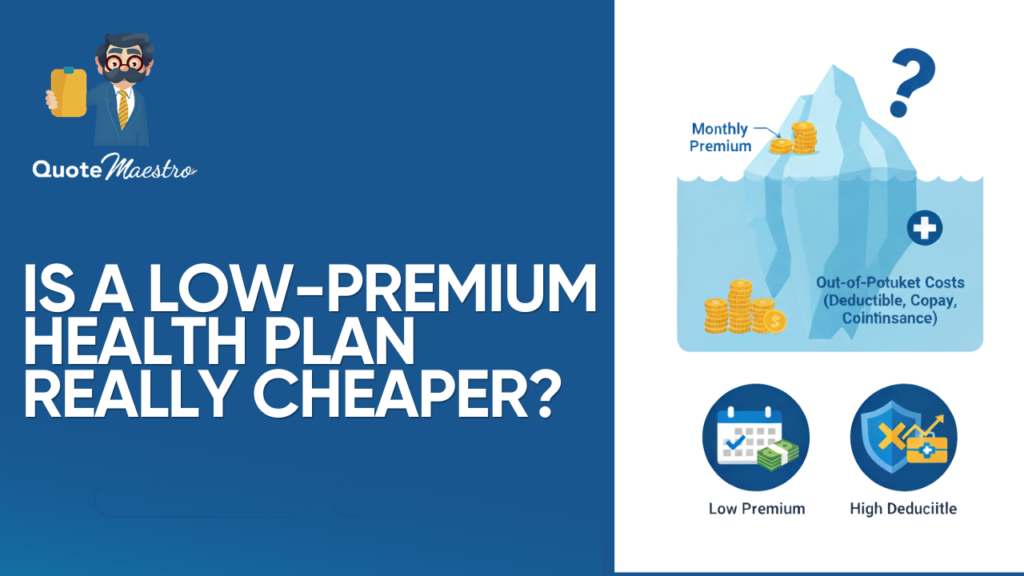
Low-premium health plan really cheaper is the question almost everyone asks when they’re shopping for insurance. A plan with a tiny monthly payment looks like a steal—until you actually use your coverage and the bills start rolling in.
So let’s answer it honestly: is a low-premium health plan really cheaper, or is it just cheaper up front?
Why Low-Premium Plans Look So Attractive
A low-premium health plan really cheaper idea usually comes from one simple thing: the monthly payment feels manageable. For tight budgets, that’s huge.
Low-premium plans typically:
-
Have lower monthly costs
-
Come with higher deductibles
-
Often include higher copays and coinsurance
-
Shift more risk onto you
This setup is exactly why people wonder if a low-premium health plan really cheaper over a full year of medical use.
If you want to compare real plans and avoid guessing, tools like https://quotemaestro.com/ help you estimate total yearly costs instead of just looking at premiums.
The Hidden Trade-Offs Behind Low Premiums
Here’s the part most people don’t see when asking if a low-premium health plan really cheaper:
-
❌ High deductibles mean you pay most bills yourself early in the year
-
❌ Higher coinsurance can turn a big procedure into a financial shock
-
❌ Narrow networks increase out-of-network charges
-
❌ Prescription tiers can cost more
These hidden trade-offs are why a low-premium health plan really cheaper isn’t always true in real life.

Real-Life Scenarios: Is a Low-Premium Health Plan Really Cheaper for You?
Let’s make low-premium health plan really cheaper feel practical:
Low-premium health plan really cheaper if you:
-
Rarely visit doctors
-
Have no ongoing prescriptions
-
Can afford a high deductible if something goes wrong
-
Mainly want coverage for emergencies
Low-premium health plan really cheaper is NOT true if you:
-
Have regular medical visits
-
Take brand-name medications
-
Expect procedures, labs, or imaging
-
Have kids or chronic conditions
If you want to compare real plans and avoid guessing, tools like https://quotemaestro.com/ help you estimate total yearly costs instead of just looking at premiums.
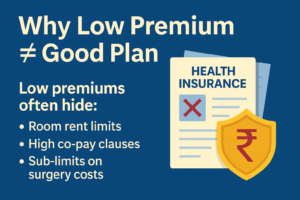
Cost Comparison: Low-Premium vs Higher-Premium Plans
| Feature | Low-Premium Plan | Higher-Premium Plan |
|---|---|---|
| Monthly Cost | Lower | Higher |
| Deductible | High | Lower |
| Copays | Higher | Lower |
| Best For | Healthy, low-usage | Frequent care users |
This table alone shows why asking if a low-premium health plan really cheaper depends on how you use healthcare—not just what you pay monthly.
How to Calculate Your “True” Yearly Cost
To see if a low-premium health plan really cheaper for you, estimate:
-
Your yearly premiums
-
Likely doctor visits
-
Prescriptions
-
One possible emergency
Add them up. That total cost is what actually matters.
If you want to compare real plans and avoid guessing, tools like https://quotemaestro.com/ help you estimate total yearly costs instead of just looking at premiums.
FAQs: Low-Premium Health Plan Really Cheaper
1. Is a low-premium health plan really cheaper for healthy people?
Yes, a low-premium health plan really cheaper often works for healthy people with low medical usage and emergency savings.
2. Is a low-premium health plan really cheaper for families?
Usually no. For families, a low-premium health plan really cheaper can turn expensive fast due to frequent visits and higher out-of-pocket costs.
3. Why do low-premium plans have high deductibles?
Because insurers shift more upfront cost to you. This is the trade-off behind whether a low-premium health plan really cheaper overall.
4. Can low-premium plans cost more long-term?
Yes. Many people find a low-premium health plan really cheaper monthly but more expensive over the full year.
5. How do I know which plan is truly cheaper for me?
Compare total yearly costs, not just premiums. Use real plan comparisons and calculators like https://quotemaestro.com/ to see if a low-premium health plan really cheaper in your situation.
Final Verdict
So, is a low-premium health plan really cheaper in 2026?
👉 Yes, if you’re healthy, rarely use care, and can handle a big deductible.
👉 No, if you expect medical visits, prescriptions, or want predictable costs.