

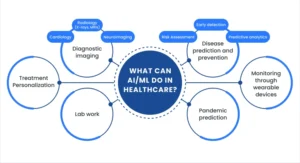
Artificial Intelligence is rapidly changing the healthcare and insurance industries. From predictive analytics to personalized healthcare recommendations, insurers are increasingly using advanced technology to improve patient outcomes and reduce long-term medical costs.
One of the most important innovations emerging in 2026 is AI in early disease prediction.
Instead of waiting for serious illnesses to become expensive medical emergencies, health insurers and healthcare providers are using AI systems to identify health risks earlier than ever before.
This shift has the potential to improve preventive care, lower healthcare costs, and help patients receive treatment before conditions become severe.
In this guide, we’ll explain how AI supports early disease prediction in health insurance, the benefits for employers and patients, and the challenges insurers still face with predictive healthcare technology.
[cta_alert id=”3100″]
What Is AI in Early Disease Prediction?
Before understanding how insurers use AI in early disease prediction, it’s important to define what the technology actually does.
AI disease prediction systems analyze large amounts of healthcare data to identify patterns linked to future medical risks.
These systems may evaluate:
- Medical claims history
- Prescription records
- Lab results
- Wearable device data
- Lifestyle patterns
- Chronic condition trends
Using machine learning algorithms, AI tools can help predict the likelihood of diseases developing before symptoms become severe.
This allows healthcare providers and insurers to intervene earlier.
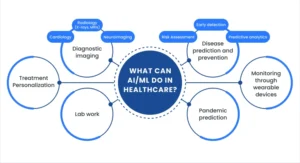
Why Health Insurance Companies Are Investing in AI
Healthcare costs continue rising, especially for chronic conditions and preventable diseases.
That’s why insurers are investing heavily in AI in early disease prediction technologies.
Insurance companies hope AI can help:
- Detect health risks sooner
- Reduce expensive hospitalizations
- Improve preventive care participation
- Lower long-term claims costs
- Personalize healthcare support
For self-funded employers and insurers, preventing severe illness can significantly reduce financial pressure over time.
Businesses evaluating healthcare risk management strategies should also review Self Funded Health Plan Readiness to better understand how predictive healthcare tools fit into modern insurance planning.
How AI Predicts Disease Risks
The power of AI in early disease prediction comes from pattern recognition.
AI systems can analyze thousands of data points simultaneously and identify warning signs humans may overlook.
For example, AI may detect patterns connected to:
- Diabetes development
- Heart disease risks
- Cancer indicators
- Mental health concerns
- Stroke probability
These systems continuously improve as they process more healthcare information.
The goal is not replacing doctors but supporting earlier and more informed medical decisions.
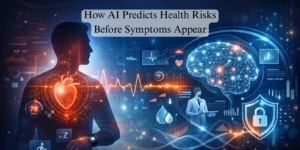
Chronic Disease Prediction Is a Major Focus
One of the biggest applications of AI in early disease prediction involves chronic illnesses.
Conditions such as:
- Diabetes
- Hypertension
- Heart disease
- Obesity
- Kidney disease
are among the most expensive healthcare cost drivers worldwide.
AI tools can help identify individuals at higher risk before conditions worsen, allowing earlier intervention through:
- Lifestyle coaching
- Medication management
- Preventive screenings
- Nutrition support
Early care often improves outcomes while reducing long-term treatment costs.
[cta_alert id=”3103″]
AI Can Improve Preventive Care Participation
Preventive care is one of the most valuable uses of AI in early disease prediction.
AI systems can help insurers and healthcare providers identify employees or patients who may benefit from:
- Cancer screenings
- Cardiovascular evaluations
- Mental health support
- Vaccinations
- Wellness programs
By encouraging earlier care, insurers hope to reduce costly emergency treatments later.
This strategy is especially important for self-funded employers responsible for direct healthcare claims costs.
Companies exploring healthcare readiness and long-term claims management should also review Self Funded Health Plan Readiness for additional insights into healthcare cost planning.
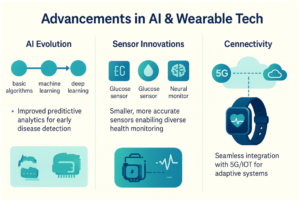
Wearable Devices Are Expanding AI Capabilities
Wearable technology is becoming increasingly connected to AI in early disease prediction systems.
Devices such as smartwatches and fitness trackers can monitor:
- Heart rate patterns
- Sleep quality
- Physical activity
- Blood oxygen levels
- Stress indicators
AI tools can analyze this data to detect abnormal health trends earlier.
This creates opportunities for more personalized healthcare recommendations.
Self-Funded Employers Are Paying Attention
Self-funded employers are especially interested in AI in early disease prediction because healthcare claims directly affect company finances.
Early disease detection may help employers:
- Reduce high-cost claims
- Improve employee health outcomes
- Increase productivity
- Lower absenteeism
- Support wellness initiatives
Predictive healthcare analytics are becoming part of broader healthcare cost management strategies.
AI Helps Identify High-Risk Populations
Another advantage of AI in early disease prediction is population health analysis.
Insurers and employers can use AI to identify groups with elevated risks for certain conditions.
This allows organizations to:
- Launch targeted wellness programs
- Improve care management support
- Monitor chronic conditions proactively
- Allocate healthcare resources more effectively
The ability to predict trends at scale is one reason AI adoption is accelerating in healthcare.
Privacy and Data Concerns Still Exist
Despite its benefits, AI in early disease prediction also raises important privacy concerns.
Healthcare data is highly sensitive, and insurers must carefully manage:
- Patient confidentiality
- Data security
- HIPAA compliance
- Ethical AI usage
- Consent transparency
Many consumers worry about how predictive health data could affect insurance decisions or privacy rights.
Regulators continue monitoring how insurers use AI technologies.
AI Does Not Replace Doctors
One common misconception about AI in early disease prediction is that it replaces physicians.
In reality, AI works best as a support tool.
Doctors still make final medical decisions, while AI helps by:
- Identifying risk patterns
- Flagging abnormal trends
- Supporting faster analysis
- Improving diagnostic efficiency
The human role in healthcare remains essential.
Mental Health Prediction Is Growing
Mental health prediction is another emerging area of AI in early disease prediction.
AI systems may analyze behavioral and healthcare patterns linked to:
- Anxiety
- Depression
- Burnout
- Substance abuse risks
Early identification can help patients access support sooner before conditions worsen significantly.
This area continues expanding rapidly in 2026.
AI Can Help Reduce Long-Term Healthcare Costs
One reason insurers strongly support AI in early disease prediction is the potential financial impact.
Earlier intervention often means:
- Lower hospitalization rates
- Reduced emergency care costs
- Better chronic disease control
- Improved treatment success rates
For insurers and self-funded employers, preventing severe illness is often far less expensive than treating advanced conditions.
Businesses preparing for long-term healthcare cost management should also explore Self Funded Health Plan Readiness to better understand financial planning strategies tied to employee health risks.
The Future of AI in Health Insurance
The role of AI in early disease prediction will likely continue growing over the next decade.
Future developments may include:
- More personalized healthcare recommendations
- Faster predictive analytics
- Improved wearable integrations
- Real-time health monitoring
- More advanced preventive care systems
As AI technology improves, insurers may become more proactive rather than reactive in healthcare management.
How Employers Can Prepare for Predictive Healthcare
Businesses interested in AI in early disease prediction should focus on:
- Employee wellness initiatives
- Data privacy protections
- Preventive healthcare programs
- Healthcare analytics partnerships
- Transparent communication strategies
The companies that combine technology with strong employee trust will likely see the best long-term outcomes.
For more healthcare planning resources and insurance insights, visit Quote Maestro.
Final Thoughts
The rise of AI in early disease prediction represents one of the biggest technological shifts happening in modern healthcare and insurance.
By analyzing healthcare data more effectively, AI systems can help identify health risks earlier, improve preventive care, and potentially reduce long-term healthcare costs.
While challenges involving privacy, ethics, and data security still exist, predictive healthcare technology is rapidly becoming an important part of modern insurance strategies.
For insurers, employers, and patients alike, the future of healthcare may increasingly depend on preventing disease before it becomes a crisis.
[cta_alert id=”3105″]
FAQs About AI in Early Disease Prediction
What is AI in early disease prediction?
AI in early disease prediction uses machine learning and healthcare data analysis to identify potential health risks before diseases become severe.
How do insurers use AI for disease prediction?
Insurers analyze claims data, medical records, wearable device information, and healthcare trends to predict health risks earlier.
Can AI predict chronic diseases?
Yes, AI systems can help identify risks related to diabetes, heart disease, hypertension, and other chronic conditions.
Does AI replace doctors?
No. AI supports healthcare professionals by identifying patterns and risk factors, but doctors still make final medical decisions.
Are there privacy concerns with predictive healthcare AI?
Yes, data privacy and ethical concerns are major issues insurers and healthcare providers must address carefully.
Why are self-funded employers interested in AI disease prediction?
Self-funded employers directly pay healthcare claims, so early disease detection may help reduce long-term medical costs and improve employee health outcomes.