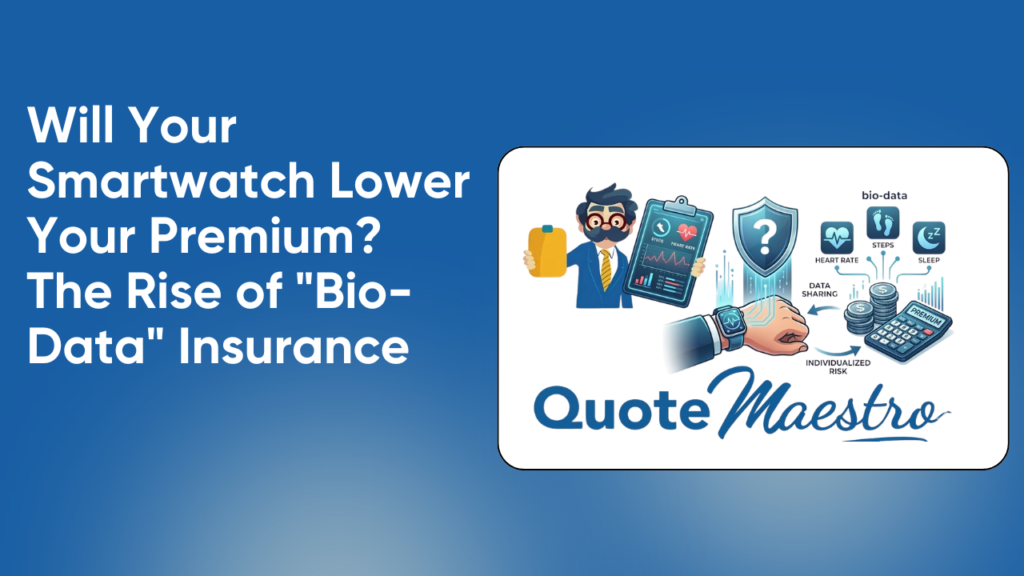
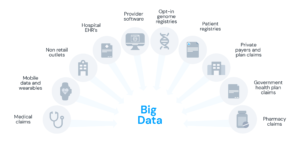
Wearable technology has changed the way people monitor their health. Devices like smartwatches and fitness trackers now track heart rate, sleep patterns, activity levels, and even stress. These developments have led to the emergence of Bio-Data Insurance, a new approach where insurers use real-time health data from wearable devices to personalize premiums and coverage.
With Bio-Data Insurance, the healthier your lifestyle appears through wearable data, the more potential there is for rewards such as discounts or reduced premiums. Many Bio-Data Insurance programs encourage policyholders to stay active and maintain healthier habits by offering financial incentives. But how exactly does Bio-Data Insurance work, and can your smartwatch really lower your insurance costs?
What Is Bio-Data Insurance?
Bio-Data Insurance is a modern insurance model where companies use personal health data collected from wearable devices to assess risk and determine pricing. Instead of relying only on traditional factors like age, medical history, or location, Bio-Data Insurance evaluates a person’s ongoing lifestyle behavior using real-time biometric information.
With the rise of smartwatches and fitness trackers, Bio-Data Insurance allows insurers to analyze daily health patterns and reward healthier habits. This approach makes insurance more personalized compared to traditional risk assessments.
Examples of data used in Bio-Data Insurance include:
-
Daily step counts
-
Heart rate trends
-
Sleep quality
-
Exercise frequency
-
Stress indicators
-
Physical activity patterns
By analyzing this information, insurers can create more dynamic and customized policies. As wearable technology continues to grow, Bio-Data Insurance is quickly becoming one of the fastest-growing trends in digital health and personalized insurance coverage.

How Smartwatches Power Bio-Data Insurance
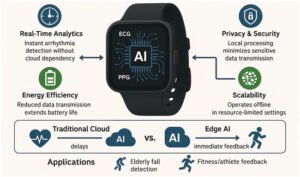
Smartwatches play a major role in the growth of Bio-Data Insurance. These devices constantly gather biometric information that can help insurers better understand lifestyle habits and evaluate risk more accurately within Bio-Data Insurance programs.
For example, a smartwatch might track important health indicators that support Bio-Data Insurance models, such as:
-
Physical activity throughout the day
-
Resting heart rate and cardiovascular health
-
Sleep patterns and recovery time
-
Calorie burn and movement trends
When this data is voluntarily shared with an insurer, Bio-Data Insurance programs may reward users who maintain active and healthy lifestyles. These rewards in Bio-Data Insurance plans may include lower premiums, wellness incentives, or special health benefits for policyholders who consistently meet activity goals.
As wearable technology becomes more advanced, Bio-Data Insurance is expected to play an even larger role in how insurers evaluate health risks and personalize insurance pricing.
Potential Benefits of Bio-Data Insurance
The concept of Bio-Data Insurance offers several advantages for both insurers and policyholders. As wearable technology becomes more common, Bio-Data Insurance programs are helping reshape how insurance companies assess risk and reward healthy lifestyles.
1. Personalized Insurance Pricing in Bio-Data Insurance
Traditional insurance pricing often relies on broad risk categories such as age, location, or medical history. With Bio-Data Insurance, insurers can offer more personalized premiums based on real lifestyle data collected from wearable devices rather than relying only on general assumptions.
2. Incentives for Healthy Living Through Bio-Data Insurance
Many Bio-Data Insurance programs reward policyholders who maintain healthy habits. By meeting fitness or activity goals, users participating in Bio-Data Insurance programs may receive benefits such as lower premiums, cashback rewards, or wellness incentives.
3. Better Health Awareness With Bio-Data Insurance
Because Bio-Data Insurance relies on wearable health data, policyholders often become more aware of their daily habits and wellness patterns. Tracking steps, heart rate, and sleep can help people make healthier lifestyle decisions while benefiting from Bio-Data Insurance programs.
4. Preventive Healthcare Encouraged by Bio-Data Insurance
Another advantage of Bio-Data Insurance is its focus on prevention. Insurers offering Bio-Data Insurance may encourage regular exercise, healthy sleep habits, and wellness checkups, which can lead to fewer medical claims and better long-term health outcomes.
Concerns and Risks of Bio-Data Insurance
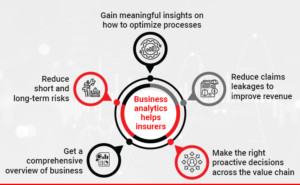
Despite its potential benefits, Bio-Data Insurance also raises several important concerns that consumers and regulators are closely watching.
Privacy and Data Security
One of the biggest concerns surrounding Bio-Data Insurance is how personal health information is stored, shared, and protected. Since Bio-Data Insurance programs rely on data collected from wearable devices such as smartwatches and fitness trackers, policyholders must trust that insurers and technology platforms will handle their biometric data responsibly. If proper safeguards are not in place, sensitive health information used in Bio-Data Insurance could potentially be exposed or misused.
Data Misinterpretation
Another challenge with Bio-Data Insurance is the accuracy of wearable technology. Devices that track steps, heart rate, sleep, and activity levels are helpful but not always perfectly precise. If inaccurate data is recorded, Bio-Data Insurance programs might incorrectly evaluate a person’s health risk. This could influence premiums or rewards in ways that do not accurately reflect a person’s true lifestyle.
Potential Bias
Critics also worry that Bio-Data Insurance could unintentionally create unfair disadvantages for certain groups. For example, individuals with disabilities, chronic illnesses, or limited ability to exercise may not be able to meet the activity targets required by some Bio-Data Insurance programs. As a result, these individuals might receive fewer incentives or potentially higher premiums under Bio-Data Insurance models.
Because of these concerns, regulators and consumer protection agencies are closely monitoring how Bio-Data Insurance programs collect, analyze, and use personal health data. Ensuring fairness, transparency, and strong data protection will be critical as Bio-Data Insurance continues to evolve.
Real-World Examples of Bio-Data Insurance Programs
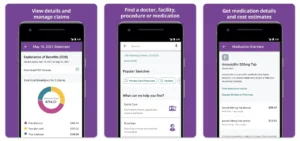
Several insurers already experiment with bio-data insurance programs where policyholders connect their wearable devices to wellness platforms.
Participants may earn rewards such as:
-
Premium discounts
-
Gift cards or wellness rewards
-
Lower deductibles
-
Health coaching benefits
These programs show how bio-data insurance is gradually transforming the traditional insurance model.
How to Decide If Bio-Data Insurance Is Right for You
Before enrolling in a bio-data insurance program, consider these factors:
-
Whether you’re comfortable sharing personal health data
-
The type of wearable device required
-
Potential premium savings
-
Data privacy protections
-
How the insurer uses your biometric data
Researching insurance options through resources like https://quotemaestro.com/ can help you compare policies and understand how bio-data insurance fits into modern health coverage.

The Future of Bio-Data Insurance
Technology will continue to shape healthcare and insurance. Experts believe bio-data insurance could become more common as wearable technology improves.
Future developments may include:
-
Real-time health monitoring integration
-
AI-driven wellness recommendations
-
Personalized preventive care plans
-
More accurate risk predictions
As these innovations evolve, bio-data insurance could significantly change how insurance premiums are calculated.
FAQs: Bio-Data Insurance
❓ What is bio-data insurance?
Bio-data insurance is an insurance model that uses wearable device data—such as activity levels, heart rate, and sleep patterns—to help determine insurance pricing and wellness rewards.
❓ Can a smartwatch really lower insurance premiums?
Yes, some bio-data insurance programs offer premium discounts or incentives when wearable data shows healthy habits.
❓ Is bio-data insurance mandatory?
No. Most bio-data insurance programs are voluntary, allowing users to decide whether they want to share their wearable data.
❓ Where can I compare insurance plans that support new technologies?
You can explore modern coverage options and learn about bio-data insurance trends through resources like https://quotemaestro.com/.
Final Thoughts on Bio-Data Insurance
The rise of wearable technology has opened the door for bio-data insurance, a system that rewards healthy behavior through real-time health tracking. While the concept offers exciting possibilities for personalized insurance pricing, it also raises questions about privacy, fairness, and data accuracy.
If implemented responsibly, bio-data insurance could encourage healthier lifestyles while transforming how insurers calculate risk and premiums.