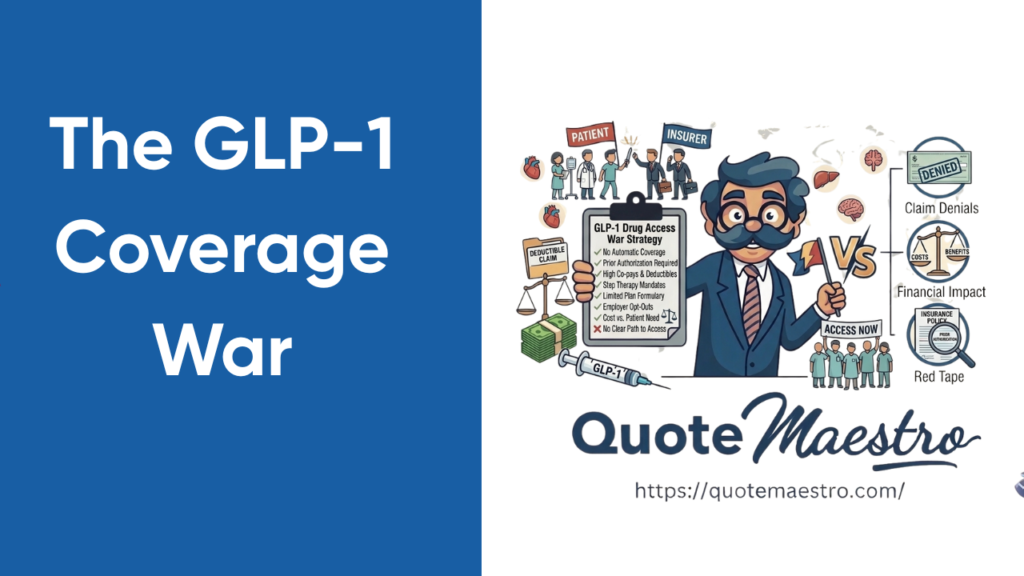
The GLP-1 Coverage War is one of the biggest shifts happening in health insurance right now—and most people don’t even realize it’s affecting them.
If you’ve heard about popular weight loss and diabetes medications like GLP-1 drugs, you’ve probably also heard how expensive they are. What you may not know is that insurance companies are quietly changing the rules around them.
This growing conflict between insurers, employers, and patients is what experts are calling the GLP-1 Coverage War—and it’s reshaping how coverage works in real time.
What Are GLP-1 Drugs and Why Are They So Popular?
GLP-1 medications were originally designed to treat type 2 diabetes. But over time, they’ve become widely used for weight loss—and demand has exploded.
These drugs work by:
- Reducing appetite
- Slowing digestion
- Helping regulate blood sugar
Because of their effectiveness, millions of people are now asking their insurance plans to cover them. That demand is a major reason behind the GLP-1 Coverage War.

Why the GLP-1 Coverage War Is Happening
At the center of the GLP-1 Coverage War is one simple issue: cost.
These medications can cost $800 to $1,500 per month without insurance. When thousands—or even millions—of people request coverage, insurers face massive financial pressure.
So what are insurance companies doing?
- Tightening eligibility rules
- Requiring prior authorizations
- Denying coverage for weight loss use
- Increasing premiums to offset costs
This push-and-pull between affordability and access is fueling the ongoing GLP-1 Coverage War.

How Insurance Companies Are Responding
Health insurance providers are not all handling the GLP-1 Coverage War the same way.
Some plans:
- Cover GLP-1 drugs only for diabetes
- Exclude weight loss medications entirely
- Require patients to try cheaper treatments first
Others are starting to expand coverage—but with strict conditions.
For patients, this means one thing: coverage is no longer predictable.
The Employer Factor in the GLP-1 Coverage War
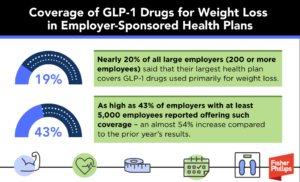
Employers play a huge role in the GLP-1 Coverage War, especially for people with workplace insurance.
Many companies are now asking:
- Should we cover these expensive drugs?
- Will it reduce long-term healthcare costs?
- Or will it drive premiums even higher?
Some employers are choosing to cover GLP-1 medications as a wellness investment. Others are cutting them entirely to control costs.
This split is making the GLP-1 Coverage War even more complicated.
What This Means for Your Health Insurance Plan
The GLP-1 Coverage War directly impacts how you access care—and how much you pay.
Here’s what you might notice:
- Higher premiums in plans that include GLP-1 coverage
- Limited access unless you meet strict criteria
- More paperwork and approval delays
- Sudden changes in coverage from year to year
In short, your benefits may not stay the same for long.
f you’re comparing different plans or trying to find better coverage options, you can explore trusted insurance resources like https://quotemaestro.com/ to better understand what plans may include GLP-1 medications.

Will the GLP-1 Coverage War Get Worse?
Most experts believe the GLP-1 Coverage War is just getting started.
As demand grows and new drugs enter the market, insurers will continue adjusting their strategies. At the same time, pressure from patients and doctors may push for broader coverage.
Future trends may include:
- More value-based insurance models
- Negotiated drug pricing
- Expanded preventive care coverage
But for now, the GLP-1 Coverage War remains a major challenge for the health insurance industry.
How to Navigate the GLP-1 Coverage War
If you’re affected by the GLP-1 Coverage War, here are a few practical steps:
- Review your plan’s drug formulary carefully
- Ask your doctor about prior authorization requirements
- Check if your employer offers expanded coverage options
- Compare plans during open enrollment
Being proactive can help you avoid surprises in this evolving landscape.
f you’re comparing different plans or trying to find better coverage options, you can explore trusted insurance resources like https://quotemaestro.com/ to better understand what plans may include GLP-1 medications.
Final Thoughts on the GLP-1 Coverage War
The GLP-1 Coverage War is more than just a disagreement over medication—it’s a turning point in how health insurance handles high-demand, high-cost treatments.
For patients, it means navigating more complex rules.
For insurers, it means balancing cost and care.
And for the healthcare system, it signals a major shift toward the future.
Understanding the GLP-1 Coverage War now can help you make smarter decisions about your coverage later.
❓ FAQs About the GLP-1 Coverage War
What is the GLP-1 Coverage War?
The GLP-1 Coverage War refers to the ongoing conflict between insurance companies, employers, and patients over coverage for expensive GLP-1 medications.
Why are insurers limiting GLP-1 coverage?
Insurers are limiting coverage due to high costs, which can significantly impact premiums and overall healthcare spending.
Are GLP-1 drugs covered by insurance?
Coverage varies widely. Some plans cover them for diabetes but not for weight loss, which is a key issue in the GLP-1 Coverage War.
Will coverage improve in the future?
It’s possible. As competition increases and pricing evolves, the GLP-1 Coverage War may lead to more balanced coverage options.