Rising healthcare costs have pushed many families to rethink how they pay for medical care—especially those with high-deductible health plans. One growing trend is medical tourism for high deductible families, where patients travel abroad to receive quality care at a fraction of the cost.
For families facing large out-of-pocket expenses before insurance kicks in, medical tourism for high deductible families can offer a practical and cost-effective alternative.
What Is Medical Tourism for High Deductible Families?
Medical tourism for high deductible families refers to traveling to another country to receive medical treatment at lower prices while maintaining quality care. This approach is especially appealing to families who must pay thousands of dollars before their insurance begins covering expenses.
Common treatments in medical tourism for high deductible families include:
- Dental procedures
- Elective surgeries
- Orthopedic treatments
- Cosmetic procedures
- Diagnostic testing
By choosing medical tourism for high deductible families, patients can significantly reduce their overall healthcare costs.
Why Medical Tourism for High Deductible Families Is Growing
There are several reasons why medical tourism for high deductible families is becoming more popular.
1. High Out-of-Pocket Costs
High deductibles mean families pay more upfront. Medical tourism for high deductible families helps reduce those costs by offering lower-priced care abroad.
2. Price Transparency
Many international providers offer clear, upfront pricing. This makes medical tourism for high deductible families easier to plan compared to uncertain domestic billing.
3. Comparable Quality of Care
Top hospitals in countries like Thailand, India, and Mexico provide high-quality care at lower costs, making medical tourism for high deductible families a viable option.

Cost Comparison: Domestic vs International Care
One of the biggest advantages of medical tourism for high deductible families is cost savings.
Example:
- Knee surgery in the U.S.: $30,000
- Same procedure abroad: $8,000–$12,000
Even after travel expenses, medical tourism for high deductible families can result in significant savings.
Benefits of Medical Tourism for High Deductible Families
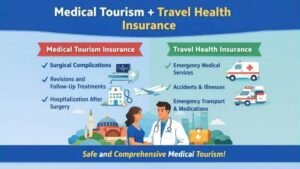
✅ Lower Medical Costs
The primary benefit of medical tourism for high deductible families is reduced healthcare expenses.
✅ Faster Access to Treatment
Long wait times can be avoided with medical tourism for high deductible families.
✅ Access to Specialized Care
Some international hospitals specialize in procedures that may be more expensive or limited locally.
✅ All-Inclusive Packages
Many providers offer bundled pricing, making medical tourism for high deductible families easier to manage financially.

Risks of Medical Tourism for High Deductible Families
While medical tourism for high deductible families offers benefits, it also comes with risks.
❗ Travel-Related Risks
Long-distance travel can complicate recovery, especially for major procedures.
❗ Follow-Up Care Challenges
Post-treatment care may be difficult once you return home, which is a concern in medical tourism for high deductible families.
❗ Insurance Limitations
Most insurance plans do not cover international procedures, making medical tourism for high deductible families primarily an out-of-pocket decision.
❗ Quality Variations
Not all facilities meet the same standards, so research is critical when considering medical tourism for high deductible families.
How to Plan Medical Tourism for High Deductible Families
To safely benefit from medical tourism for high deductible families, follow these steps:
1️⃣ Research Accredited Hospitals
Look for internationally accredited facilities when planning medical tourism for high deductible families.
2️⃣ Verify Doctor Credentials
Ensure the provider has experience and proper certifications.
3️⃣ Get a Full Cost Breakdown
Request detailed pricing before committing to medical tourism for high deductible families.
4️⃣ Plan Travel and Recovery Time
Allow enough time for recovery before returning home.
5️⃣ Compare Insurance Options
You can explore plans and understand coverage limits on https://quotemaestro.com/ to better prepare for medical tourism for high deductible families.
Who Should Consider Medical Tourism for High Deductible Families?
Medical tourism for high deductible families is ideal for:
- Families with high deductibles ($3,000–$10,000+)
- Patients needing elective or non-emergency procedures
- Individuals seeking cost savings without compromising quality
- Those willing to travel for better pricing
Future of Medical Tourism for High Deductible Families
The demand for medical tourism for high deductible families is expected to grow as healthcare costs continue rising.
Future trends include:
- More partnerships between insurers and international hospitals
- Digital platforms for comparing global healthcare costs
- Improved travel and recovery coordination
- Increased transparency in medical pricing
FAQs: Medical Tourism for High Deductible Families
❓ What is medical tourism for high deductible families?
Medical tourism for high deductible families involves traveling abroad for medical care to reduce out-of-pocket costs before insurance coverage begins.
❓ Is it safe?
When properly researched, medical tourism for high deductible families can be safe and effective.
❓ Does insurance cover medical tourism?
Most plans do not fully cover international care, making medical tourism for high deductible families primarily self-funded.
❓ Where can I compare insurance plans?
You can explore options and better understand coverage at https://quotemaestro.com/ to support decisions about medical tourism for high deductible families.
Final Thoughts on Medical Tourism for High Deductible Families
Healthcare costs continue to rise, especially for families with high deductibles. Medical tourism for high deductible families offers a practical way to access quality care at a lower price.
By carefully researching providers, planning ahead, and understanding the risks, families can use medical tourism for high deductible families to take control of their healthcare expenses while maintaining high standards of care.