The Septuple Copay Shock is quickly becoming one of the most talked-about changes in health insurance for 2026.
For many employees, doctor visits and prescriptions are suddenly costing much more than expected. What used to be a small, predictable copay is now rising sharply—sometimes multiple times over. That dramatic increase is what people are calling the Septuple Copay Shock.
This shift isn’t random. It’s part of a larger trend where employers are pulling back on healthcare spending and shifting more costs to employees.
What Is the Septuple Copay Shock?
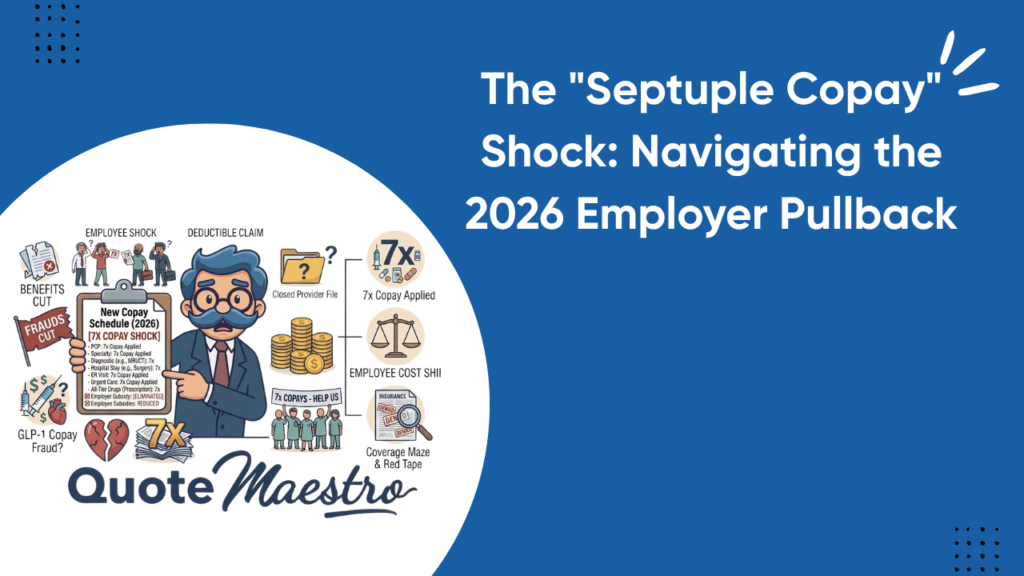
The Septuple Copay Shock refers to a significant increase in copays—sometimes up to seven times higher than before—for common healthcare services.
This can include:
- Primary care visits
- Specialist appointments
- Prescription medications
- Urgent care services
Instead of paying $10–$20, patients may now face $50, $75, or even higher copays. For families and frequent care users, the Septuple Copay Shock can add up quickly.
Why the Septuple Copay Shock Is Happening
At the core of the Septuple Copay Shock is rising healthcare costs—and employers trying to manage them.
Over the past few years:
- Medical expenses have increased significantly
- Prescription drug costs continue to rise
- Employers are spending more on health benefits than ever
To offset these costs, many companies are restructuring their health plans. Instead of raising premiums alone, they’re increasing copays—leading directly to the Septuple Copay Shock.

The 2026 Employer Pullback Explained
The Septuple Copay Shock is closely tied to what experts are calling the 2026 employer pullback.
Employers are:
- Reducing benefit generosity
- Increasing cost-sharing through copays and deductibles
- Narrowing provider networks
- Offering fewer high-coverage plan options
This shift allows companies to control expenses—but it also means employees bear more of the financial burden.
That’s why the Septuple Copay Shock is becoming so widespread.
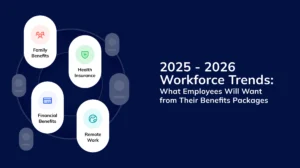
How the Septuple Copay Shock Affects Employees
For everyday workers, the Septuple Copay Shock changes how healthcare decisions are made.
You may start to notice:
- Delaying doctor visits due to higher costs
- Choosing generic medications over brand-name drugs
- Avoiding specialists unless absolutely necessary
- Increased financial stress related to healthcare
Even those with “good” insurance plans are feeling the impact of the Septuple Copay Shock.
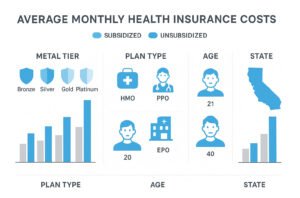
What This Means for Your Health Insurance Plan
The Septuple Copay Shock highlights an important truth: not all health insurance plans are as affordable as they appear.
When reviewing your options, it’s critical to look beyond monthly premiums and focus on:
- Copay amounts
- Deductibles
- Out-of-pocket maximums
- Prescription drug tiers
If you’re comparing plans or trying to manage rising costs, you can explore trusted resources like https://quotemaestro.com/ to find options that better fit your budget and healthcare needs.
Understanding these details can help you minimize the impact of the Septuple Copay Shock..

How to Navigate the Septuple Copay Shock
While you can’t completely avoid the Septuple Copay Shock, there are ways to manage it effectively:
- Use preventive care services (often covered at no cost)
- Stay in-network whenever possible
- Ask about lower-cost treatment alternatives
- Review plan details during open enrollment
Being proactive can help you stay in control, even as the Septuple Copay Shock continues to affect health insurance plans.
Will the Septuple Copay Shock Continue?
Most signs suggest the Septuple Copay Shock isn’t going away anytime soon.
As healthcare costs remain high, employers are likely to continue shifting expenses to employees. However, there may also be changes such as:
- Increased transparency in pricing
- New plan structures focused on value-based care
- Greater use of telehealth services
Even with these innovations, the Septuple Copay Shock will remain an important trend to watch.
Final Thoughts on the Septuple Copay Shock
The Septuple Copay Shock is a clear example of how health insurance is evolving—and not always in favor of the consumer.
For employees, it means higher out-of-pocket costs.
For employers, it’s a strategy to control spending.
For the healthcare system, it reflects deeper cost challenges.
By understanding the Septuple Copay Shock, you can make smarter decisions and better prepare for changes in your coverage.
❓ FAQs About the Septuple Copay Shock
What is the Septuple Copay Shock?
The Septuple Copay Shock refers to a major increase in healthcare copays, sometimes up to seven times higher than previous amounts.
Why are copays increasing in 2026?
Copays are increasing due to rising healthcare costs and employers shifting more expenses to employees.
How does the Septuple Copay Shock affect health insurance?
The Septuple Copay Shock makes healthcare more expensive at the point of use, even if premiums stay stable.
Can I avoid the Septuple Copay Shock?
You may not avoid it entirely, but you can reduce its impact by choosing the right plan and managing your healthcare usage wisely.