Graduation is a huge achievement. You’ve earned the degree, celebrated the moment, and started thinking about jobs, travel, or what comes next. But while you’re planning your future, there’s one important detail that often gets overlooked: Post-Grad Health Insurance.
Once college ends, the clock starts ticking. Many graduates don’t realize how quickly their student health coverage can end—or how risky a gap in coverage can be. The good news? There are two simple and reliable ways to stay insured after graduation with the right post-grad health insurance strategy.
Let’s break it down.
Understanding the Post-Grad Health Insurance Coverage Gap
During college, most students are covered under one of two options:
-
A school-sponsored student health plan
-
A parent’s health insurance plan
But after graduation, things change fast.
In many cases:
-
Student health insurance ends within weeks of graduation
-
Job-based insurance may not start for months
-
Freelance, contract, or part-time work often doesn’t include benefits
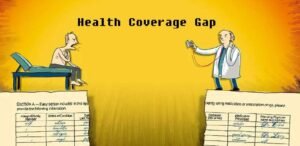
This creates what’s known as the post-grad health insurance coverage gap—a period where you may be uninsured. Even a short gap can be expensive. One unexpected doctor visit, accident, or prescription could result in thousands of dollars in medical bills.
That’s why planning for Post-Grad Health Insurance early truly matters.
You can explore and compare post-grad health insurance options easily using trusted platforms like https://quotemaestro.com/ to find coverage that fits your post-graduation budget and lifestyle.
Option 1: Stay on a Parent’s Health Insurance Plan (Until Age 26)
For many recent graduates, the simplest post-grad health insurance solution is staying on a parent’s health insurance plan. This option helps prevent a coverage gap while you transition from student life into your next chapter.
How This Option Works
Under U.S. health insurance rules, young adults can remain on a parent’s health insurance plan until age 26. This applies regardless of:
-
Graduation status
-
Employment status
-
Marital status
-
Where you live
This means graduating does not automatically end your post-grad health insurance, giving you continued protection during an important life transition.
Pros of Staying on a Parent’s Plan
-
No interruption in post-grad health insurance coverage
-
Often lower out-of-pocket medical costs
-
Access to familiar doctors and provider networks
-
No immediate need to enroll in a new health insurance plan
Potential Limitations
-
Coverage may be limited if you move out of state
-
Employer-sponsored family plans can be expensive
-
Less flexibility compared to individual post-grad health insurance plans
For many graduates, staying on a parent’s plan offers valuable breathing room—allowing time to search for a job, start a career, or explore independent post-grad health insurance options without financial pressure.

Option 2: Enroll in a New Health Insurance Marketplace Plan
If staying on a parent’s plan isn’t an option—or you want coverage in your own name—a post-grad health insurance marketplace plan is one of the most common and reliable alternatives.
Why Graduation Qualifies You
Losing student health insurance after graduation usually triggers a Special Enrollment Period (SEP). This is an important part of post-grad health insurance planning, as it allows you to enroll in a marketplace plan even if open enrollment is closed.
Benefits of Post-Grad Health Insurance Through the Marketplace
-
Multiple plan levels to fit different budgets
-
Coverage for essential health benefits
-
Possible subsidies based on income
-
Ideal for freelancers, job seekers, and self-employed grads
Post-grad health insurance marketplace plans offer flexibility and independence—especially helpful if your career path isn’t traditional or if you’re transitioning between jobs.
Tips for Choosing the Right Post-Grad Health Insurance Plan
-
Estimate your income carefully to avoid subsidy issues
-
Compare deductibles, premiums, and out-of-pocket limits
-
Check prescription drug coverage
-
Confirm your doctors are in-network
You can explore and compare post-grad health insurance options easily using trusted platforms like https://quotemaestro.com/ to find coverage that fits your post-graduation budget and lifestyle.
Why Timing Is Critical After Graduation
When it comes to post-grad health insurance, waiting too long can lead to serious consequences, including:
-
Missed enrollment deadlines
-
Limited plan choices
-
High medical bills from unexpected care
-
Added stress during an already busy life transition
The post-grad health insurance clock doesn’t pause after graduation. Acting early helps ensure continuous coverage, protects your finances, and gives you peace of mind as you move into the next stage of life.
You can explore and compare post-grad health insurance options easily using trusted platforms like https://quotemaestro.com/ to find coverage that fits your budget, healthcare needs, and post-graduation lifestyle.

Final Thoughts: Stay Covered as You Start Your Next Chapter
Graduation marks independence—but that doesn’t mean you should go without protection. When it comes to post-grad health insurance, whether you stay on a parent’s plan until age 26 or enroll in a new marketplace health insurance plan, the most important step is avoiding a coverage gap.
Post-grad health insurance may not feel urgent—until you need it. Planning ahead ensures you’re protected during this transition and allows you to focus on building your future with confidence.
For personalized comparisons and easy enrollment, explore post-grad health insurance options at https://quotemaestro.com/ and find coverage that works for you.

Frequently Asked Questions (FAQ)
What is post-grad health insurance?
Post-grad health insurance refers to coverage options available after college graduation, especially when student health plans end.
How long can I stay on my parents’ health insurance?
You can remain on a parent’s health insurance plan until age 26, even after graduation.
Does graduating qualify me for a Special Enrollment Period?
Yes. Losing student health coverage after graduation usually qualifies you for a Special Enrollment Period.
What if I don’t have a job yet?
Marketplace health insurance plans are ideal for graduates who are job hunting, freelancing, or working part-time.
What happens if I miss the enrollment deadline?
You may have to wait until the next open enrollment period, leaving you uninsured in the meantime.