

As healthcare costs continue rising in 2026, self-funded employers are realizing that controlling claims expenses requires more than simply negotiating better provider contracts.
The real long-term solution often starts with employee health itself.
That’s why employee wellness and care management have become central strategies for businesses operating self-funded health plans.
Unlike fully insured models where insurance carriers absorb most claims risk, self-funded employers pay healthcare claims directly. This means every emergency room visit, chronic illness complication, or preventable hospitalization can significantly affect company healthcare spending.
For self-funded businesses, healthier employees often translate directly into lower long-term healthcare costs.
In this guide, we’ll explain why employee wellness and care management matter more under self-funded healthcare structures and how businesses can use these strategies to improve both employee health and financial performance.
[cta_alert id=”3100″]
What Is Employee Wellness and Care Management?
Before discussing why employee wellness and care management are so important for self-funded employers, it’s helpful to define both concepts.
Employee Wellness Programs
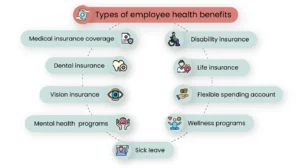
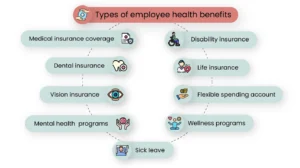
These programs focus on improving overall employee health and lifestyle habits through initiatives such as:
- Fitness programs
- Nutrition counseling
- Smoking cessation support
- Mental health resources
- Preventive screenings
Care Management Programs
Care management focuses more directly on helping employees manage ongoing medical conditions through:
- Chronic disease support
- Case management services
- Medication management
- Preventive care coordination
- High-risk patient monitoring
Together, these programs help reduce avoidable healthcare costs and improve long-term workforce health.
Why Self-Funded Employers Pay More Attention to Wellness
The connection between employee wellness and care management and healthcare spending becomes much stronger under self-funded plans.
With self-funding:
- Employers directly pay claims costs
- Preventable health issues affect company finances immediately
- Chronic conditions create long-term financial pressure
This creates a powerful incentive for businesses to invest in employee health proactively.
Companies exploring healthcare funding strategies should also review Fully Insured vs Self Funded Health Plans to better understand why self-funded employers focus so heavily on healthcare cost management.
Chronic Conditions Are One of the Biggest Cost Drivers
One major reason employee wellness and care management matter so much is the growing cost of chronic diseases.
Conditions such as:
- Diabetes
- Heart disease
- Obesity
- Hypertension
- Mental health disorders
can create massive long-term healthcare expenses for employers.
Without proper management, these conditions often lead to:
- Emergency room visits
- Hospitalizations
- Expensive specialist care
- Productivity losses
Care management programs help businesses identify and support high-risk employees before costs escalate further.

Preventive Care Saves Money Long Term
Preventive healthcare is one of the strongest financial arguments for employee wellness and care management.
Preventive strategies may include:
- Annual wellness exams
- Cancer screenings
- Vaccinations
- Blood pressure monitoring
- Mental health evaluations
These services help detect problems early when treatment is often less expensive and more effective.
For self-funded employers, reducing severe health complications can dramatically improve long-term claims stability.
Wellness Programs Can Improve Productivity Too
The benefits of employee wellness and care management go beyond healthcare costs.
Healthier employees often experience:
- Lower absenteeism
- Higher productivity
- Improved morale
- Reduced burnout
- Better job satisfaction
Businesses increasingly recognize that employee health directly affects workforce performance and retention.
[cta_alert id=”3103″]

Mental Health Support Is Becoming Essential
Mental health has become a major focus of employee wellness and care management programs in 2026.
Stress, anxiety, burnout, and depression can affect:
- Productivity
- Employee engagement
- Healthcare claims costs
- Workplace retention
Self-funded employers increasingly invest in:
- Counseling access
- Teletherapy services
- Employee assistance programs (EAPs)
- Stress management resources
Addressing mental health proactively can reduce both healthcare costs and workplace disruption.
Data and Analytics Help Identify Health Risks
One major advantage of self-funded healthcare is access to claims data.
Businesses using employee wellness and care management programs can analyze trends involving:
- High-cost conditions
- Prescription usage
- Emergency room frequency
- Preventive care participation
- Chronic disease prevalence
This data helps employers target health initiatives more effectively.
Companies interested in healthcare cost transparency should also explore Fully Insured vs Self Funded Health Plans for additional insights into self-funded healthcare structures.
Care Management Helps Reduce High-Cost Claims
Care management programs are especially important for employees with serious medical conditions.
Strong employee wellness and care management strategies often include:
- Nurse case managers
- Medication adherence support
- Specialist coordination
- Hospital discharge follow-up
- Personalized treatment planning
These services help reduce avoidable complications and unnecessary hospital readmissions.
For self-funded employers, even small reductions in large claims can create substantial savings.
Employee Engagement Is the Biggest Challenge
One of the hardest parts of employee wellness and care management is participation.
Many wellness programs fail because employees:
- Lose motivation
- Don’t trust employer initiatives
- Feel overwhelmed
- Lack time to participate
Successful programs often include:
- Incentives and rewards
- Easy digital access
- Personalized health support
- Strong communication strategies
Employee engagement is critical for long-term results.
Telehealth Is Expanding Wellness Access
Telehealth services are becoming an important part of modern employee wellness and care management strategies.
Virtual care options help employees access:
- Mental health support
- Primary care consultations
- Chronic condition monitoring
- Preventive healthcare services
Telehealth improves convenience while potentially reducing expensive emergency room visits.
Self-Funded Employers Need Long-Term Healthcare Strategies
Unlike fully insured plans, self-funded employers directly experience the financial impact of workforce health trends.
That’s why employee wellness and care management should be viewed as long-term investments rather than short-term expenses.
Businesses focused only on cutting healthcare costs without improving employee health may struggle to control claims spending over time.
Measuring Wellness Program Success
Employers using employee wellness and care management programs should monitor metrics such as:
- Healthcare claims trends
- Preventive care participation
- Employee absenteeism
- Chronic disease management outcomes
- Employee satisfaction levels
Tracking results helps businesses refine programs and improve ROI over time.
Why Mid-Sized Businesses Are Investing More in Wellness
Large corporations have invested in wellness initiatives for years.
Now, mid-sized businesses are increasingly recognizing that employee wellness and care management can help control rising healthcare costs while improving workforce stability.
As self-funded healthcare becomes more common, wellness investments are becoming a competitive advantage rather than an optional benefit.
Businesses evaluating healthcare funding models should also review Fully Insured vs Self Funded Health Plans to better understand how self-funded plans increase the importance of employee health management.
How to Build a Strong Wellness Strategy
Businesses looking to improve employee wellness and care management should focus on:
- Preventive healthcare access
- Mental health resources
- Chronic disease management
- Employee communication
- Wellness incentives
- Claims data analysis
Successful wellness programs combine both healthcare support and employee engagement strategies.
For more healthcare planning resources and insurance insights, visit Quote Maestro.
Final Thoughts
As healthcare costs continue rising in 2026, self-funded employers are realizing that employee health directly affects financial performance.
That’s why employee wellness and care management have become essential components of modern self-funded healthcare strategies.
By investing in preventive care, chronic disease management, mental health support, and employee engagement, businesses can reduce long-term claims costs while building healthier, more productive workforces.
For self-funded employers, wellness is no longer just a workplace perk — it’s a critical financial strategy.
[cta_alert id=”3105″]
FAQs About Employee Wellness and Care Management
What is employee wellness and care management?
It refers to programs that improve employee health through preventive care, chronic disease support, wellness initiatives, and healthcare coordination.
Why is wellness important for self-funded employers?
Self-funded employers directly pay healthcare claims, so healthier employees often lead to lower long-term healthcare costs.
What types of wellness programs are most effective?
Programs focused on preventive care, mental health, chronic disease management, and employee engagement often provide strong results.
How does care management reduce healthcare costs?
Care management helps employees manage medical conditions more effectively, reducing expensive complications and hospitalizations.
Why is mental health support important in wellness programs?
Mental health issues can increase healthcare costs, absenteeism, burnout, and productivity challenges.
Can mid-sized businesses benefit from wellness programs?
Yes, many mid-sized businesses use employee wellness and care management strategies to improve workforce health and control healthcare spending.