

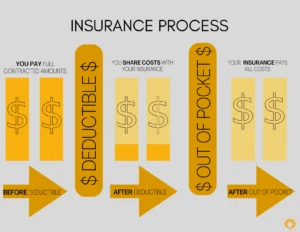
When choosing a health plan, one of the most important—but often misunderstood—features is the health insurance out-of-pocket maximums limit.
This limit is your financial safety ceiling. It ensures that no matter how expensive your medical care becomes in a year, your spending on covered services will not exceed a fixed amount.
In simple words:
👉 It is the maximum amount you will pay before insurance pays 100%.
To explore more insurance education resources, visit:
https://quotemaestro.com/
[cta_alert id=”3100″]
What Are Health Insurance Out-of-Pocket Maximums?
The health insurance out-of-pocket maximums refer to the total amount you are responsible for paying in a policy year before your insurance company fully covers eligible medical costs.
It typically includes:
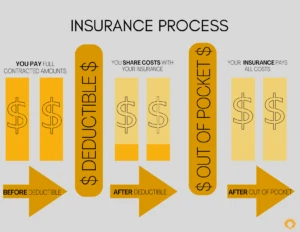
- Deductibles (what you pay first)
- Copayments (fixed visit charges)
- Coinsurance (percentage of costs you share)
Once you hit the annual out-of-pocket limit, your insurer pays 100% of covered essential health benefits.
What Does NOT Count Toward the Maximum?
Many people misunderstand this part of health insurance out-of-pocket maximums.
Usually NOT included:
- Monthly premiums
- Cosmetic or elective procedures
- Out-of-network penalties (in some plans)
- Non-covered treatments
That’s why two people with the same plan may still pay very different total costs.
Why Out-of-Pocket Maximums Matter More Than You Think
The health insurance out-of-pocket maximums are one of the strongest financial protections in modern healthcare systems.
They help you:
- Avoid unlimited medical bills
- Control yearly healthcare spending
- Protect family savings during emergencies
- Reduce financial stress during chronic illness treatment
Without this limit, a single hospital stay could lead to overwhelming debt.

Real-Life Example (Easy Breakdown)
Let’s say your plan has:
- Deductible: $2,000
- Coinsurance: 20%
- Out-of-pocket maximum: $7,000
You keep paying until your total spending (deductible + copays + coinsurance) reaches $7,000.
After that:
👉 Insurance pays 100% of covered services
👉 You pay $0 (for covered care only)
This is why understanding health insurance out-of-pocket maximums is so important when comparing plans.
Health Insurance Maximum Limit vs Deductible
People often confuse these two:
Deductible
- You pay first before insurance starts sharing costs
Out-of-Pocket Maximum
- Total limit you pay in a year (final cap)
So basically:
👉 Deductible = starting point
👉 Out-of-pocket maximum = ending protection limit
Understanding this difference helps you avoid surprises in medical billing.

Common Mistakes People Make
Many families misunderstand health insurance out-of-pocket maximums, leading to financial stress:
- Choosing a low premium but high maximum plan
- Not checking family vs individual limits
- Ignoring prescription drug costs
- Assuming everything counts toward the limit
- Not reviewing in-network rules
These mistakes can increase your total yearly spending significantly.
Internal Insurance Insight (Important)
Some health plans separate:
- Individual out-of-pocket maximum
- Family out-of-pocket maximum
This means one person in a family might hit their limit faster, but the full family limit may still apply.
For more insurance rights and coverage issues, read here:
https://quotemaestro.com/ada-obesity-insurance-denial-rights/
Understanding this is especially important when dealing with chronic conditions or long-term treatments.
How to Choose the Best Health Plan Using Out-of-Pocket Limits
When comparing plans, always evaluate:
- Annual out-of-pocket maximum amount
- Monthly premium balance
- Hospital network coverage
- Prescription drug tier costs
- Family vs individual protection limits
A plan with slightly higher premiums but lower health insurance out-of-pocket maximums may actually save you thousands in emergencies.
Hidden Benefit Most People Don’t Know
Once you reach your health insurance out-of-pocket maximums, you don’t just save money—you gain peace of mind.
At that point:
- No surprise bills
- No percentage-based charges
- No stress during treatment decisions
This allows patients to focus fully on recovery instead of finances.
[cta_alert id=”3103″]
Smart Tips to Reduce Out-of-Pocket Costs
To maximize your benefits:
- Always use in-network providers
- Choose generic medications when possible
- Use preventive care services (often free)
- Check billing statements carefully
- Compare treatment costs before procedures
These habits help you reach your health insurance out-of-pocket maximums more strategically (and sometimes avoid unnecessary spending).
Advanced Insight (2026 Trend)
In newer health plans, insurers are increasingly:
- Adjusting out-of-pocket maximums yearly
- Separating drug vs medical spending caps
- Offering HDHP (High Deductible Health Plans) with HSAs
This makes understanding health insurance out-of-pocket maximums even more important than before.
FAQs About Health Insurance Out-of-Pocket Maximums
1. What is the main purpose of out-of-pocket maximums?
To limit the total amount you pay for covered healthcare services in a year.
2. Do all health plans have out-of-pocket maximums?
Yes, most ACA-compliant health plans include them.
3. What happens after I reach my maximum limit?
Insurance pays 100% of covered essential services.
4. Does my family share one out-of-pocket maximum?
Some plans have both individual and family limits.
5. Are prescriptions included in out-of-pocket maximums?
Yes, in most plans, prescription costs count toward the limit.
Final Thoughts
The health insurance out-of-pocket maximums are one of the most important financial protections in any health plan. While premiums get most of the attention, the out-of-pocket limit determines your real financial risk during medical emergencies.
Understanding this concept helps you choose smarter, safer, and more cost-effective health coverage.
For more insurance guides, visit:
https://quotemaestro.com/
And learn more about coverage issues here:
https://quotemaestro.com/ada-obesity-insurance-denial-rights/
https://quotemaestro.com/ada-obesity-insurance-denial-rights/
[cta_alert id=”3105″]