

Understanding health insurance preventive vs diagnostic care is one of the most important things you can learn to avoid surprise medical bills. Many patients assume all tests and screenings are treated the same—but insurance companies classify them very differently.
That classification can decide:
- Whether your test is free
- Whether you pay copay or deductible
- Or whether you receive a full bill
To explore more insurance structure topics, visit:
Quotemaestro Insurance Guides
[cta_alert id=”3100″]
What Is Preventive Care?
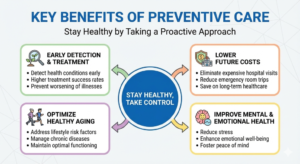
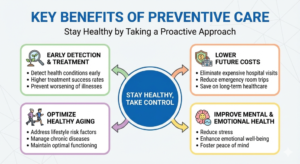
Preventive care is healthcare designed to stop illness before it starts.
When it comes to health insurance preventive vs diagnostic care, preventive services are usually covered at no cost to you (if in-network).
Examples of preventive care:
- Annual physical exams
- Vaccinations
- Cancer screenings (routine age-based)
- Blood pressure checks
- Cholesterol screening
These services are meant to detect risks early—even if you have no symptoms.
What Is Diagnostic Care?
Diagnostic care is used when you already have symptoms or a medical concern.
In health insurance preventive vs diagnostic care, diagnostic services are usually NOT free and may require:
- Deductibles
- Copayments
- Coinsurance
Examples of diagnostic care:
- Blood tests for symptoms
- MRI or CT scan for pain
- Colonoscopy after symptoms appear
- X-rays for injury
- Specialist evaluation due to illness
Even the same test can switch from preventive to diagnostic depending on why it is done.
Key Difference Between Preventive and Diagnostic Care
The biggest issue in health insurance preventive vs diagnostic care is not the test itself—but the reason behind it.
| Preventive Care | Diagnostic Care |
|---|---|
| No symptoms | Symptoms present |
| Routine screening | Investigation of problem |
| Usually free | Cost-sharing applies |
| Scheduled checkups | Doctor-ordered due to illness |
Why This Difference Matters
Many people are shocked when they get a bill for something they thought was free.
Here’s why health insurance preventive vs diagnostic care matters:
- Same procedure can be billed differently
- Insurance coverage changes based on reason
- Unexpected medical bills may appear
- Preventive benefits can be lost if symptoms are mentioned
Real-Life Example (Very Important)
Let’s say you go for a colonoscopy:
Scenario 1: Preventive
- No symptoms
- Routine age-based screening
👉 Usually covered 100%
Scenario 2: Diagnostic
- You have abdominal pain
- Doctor orders colonoscopy
👉 You may pay deductible + coinsurance
This is the core confusion in health insurance preventive vs diagnostic care.
Internal Insurance Insight
Many employers structure benefits differently, which affects how services are billed.
To understand how plan structures impact coverage, read here:
Self-Funded Health Plan Readiness Guide
This helps explain why health insurance preventive vs diagnostic care rules may vary between employers and insurers.
You can also revisit it here for deeper clarity:
Self-Funded Health Plan Readiness Guide

Common Mistakes Patients Make
When dealing with health insurance preventive vs diagnostic care, people often:
- Mention symptoms during a preventive visit
- Schedule “checkups” when already sick
- Assume all screenings are free
- Ignore billing codes on claims
- Don’t ask provider how it will be billed
Even a small detail can change your billing category.
How Insurance Decides What You Pay
Insurance companies classify health insurance preventive vs diagnostic care using billing codes:
- CPT codes (procedure type)
- Diagnosis codes (reason for visit)
If a symptom code is added, the visit may become diagnostic—even if it started as a routine screening.

How to Avoid Surprise Bills
To protect yourself:
- Ask if the visit is coded as preventive
- Confirm what will be billed before testing
- Stay within in-network providers
- Separate wellness visits from illness discussions
- Review your Explanation of Benefits carefully
[cta_alert id=”3103″]
Advanced Insight: Why This Confusion Exists
The confusion in health insurance preventive vs diagnostic care exists because:
- Insurance companies follow strict billing rules
- Providers must code based on symptoms
- Patient intention does not always match billing category
So even if you think a visit is preventive, documentation may classify it differently.
More Real-World Impact
This issue is especially common in:
- Cancer screenings
- Heart disease testing
- Diabetes checks
- Women’s health exams
Understanding health insurance preventive vs diagnostic care can save hundreds or even thousands of dollars annually.
Internal Resource for Better Understanding
To further understand insurance plan structures and how coverage decisions are made, read here:
Self-Funded Health Plan Readiness Guide
This resource explains why billing rules vary across employer plans.
FAQs About Preventive vs Diagnostic Care
1. What is the main difference between preventive and diagnostic care?
Preventive care is routine and symptom-free; diagnostic care investigates symptoms.
2. Why was my preventive test billed as diagnostic?
Because symptoms or medical reasons were documented during the visit.
3. Is preventive care always free?
Usually yes, if done in-network and following guidelines.
4. Can the same test be preventive or diagnostic?
Yes, the billing depends on the reason for the test.
5. How can I avoid unexpected charges?
Ask providers about coding before the test and review your insurance policy.
Final Thoughts
Understanding health insurance preventive vs diagnostic care is essential for avoiding surprise medical bills and making smarter healthcare decisions. The difference is not in the test itself—but in the reason it is performed and how it is coded.
When you know how insurers classify care, you gain more control over your healthcare costs and avoid unnecessary expenses.
For more insurance education resources, visit:
Quotemaestro Insurance Guides
And explore plan structure insights here:
Self-Funded Health Plan Readiness Guide
Self-Funded Health Plan Readiness Guide
[cta_alert id=”3105″]