

Choosing the right Third-Party Administrator (TPA) can have a major impact on your company’s healthcare costs, employee satisfaction, and long-term benefits strategy.
As more employers move toward self-funded and level-funded health plans, TPAs play a critical role in managing claims, provider networks, compliance, and employee support.
That’s why understanding the right questions to ask a third party administrator before signing a contract is essential in 2026.
Many businesses focus only on pricing during the selection process. However, the real difference between a good TPA and a bad one often comes down to transparency, service quality, reporting capabilities, and claims management expertise.
In this guide, we’ll cover the five most important questions employers should ask before partnering with a Third-Party Administrator.
[cta_alert id=”3100″]
What Does a Third-Party Administrator (TPA) Do?
Before discussing the most important questions to ask a third party administrator, it’s important to understand the role TPAs play in healthcare management.
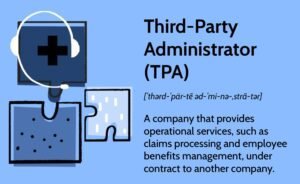
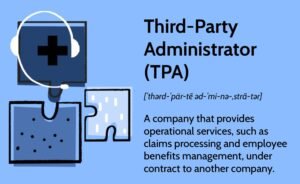
A TPA is a company that manages administrative healthcare functions on behalf of employers or self-funded health plans.
Their responsibilities often include:
- Claims processing
- Provider network management
- Customer service support
- Compliance assistance
- Reporting and analytics
- Stop-loss coordination
TPAs are especially common in self-funded healthcare arrangements.
Businesses exploring self-funded healthcare structures should also review Fully Insured vs Self Funded Health Plans to better understand how TPAs fit into modern healthcare funding strategies.
Why Choosing the Right TPA Matters
The quality of your TPA can directly affect:
- Healthcare costs
- Claims accuracy
- Employee experience
- Compliance risks
- Provider access
- Financial transparency
That’s why employers researching questions to ask a third party administrator should focus on more than just administrative fees.
A low-cost TPA that performs poorly can create significant long-term problems.
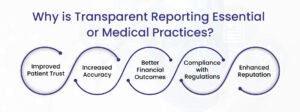
Question #1: How Transparent Are Your Claims and Reporting Systems?
One of the most important questions to ask a third party administrator involves claims transparency.
Employers need detailed visibility into healthcare spending patterns.
Ask potential TPAs:
- How often are claims reports provided?
- Can employers access real-time data dashboards?
- What reporting metrics are available?
- How detailed is the claims analysis?
Strong reporting allows businesses to:
- Identify cost trends
- Monitor high-cost claims
- Improve healthcare planning
- Detect billing inefficiencies
Without transparency, employers lose valuable control over healthcare spending.
Question #2: What Provider Networks Do You Offer?
Provider access is another critical factor when evaluating questions to ask a third party administrator.
A TPA’s provider network directly impacts:
- Employee doctor access
- Hospital choices
- Out-of-pocket costs
- Claims pricing
Employers should ask:
- Which PPO networks are available?
- Are local providers included?
- How large is the network?
- Are network discounts transparent?
Network quality can significantly affect employee satisfaction and healthcare costs.
[cta_alert id=”3103″]
Question #3: How Do You Handle Large or Complex Claims?
Another essential topic in questions to ask a third party administrator is catastrophic claims management.
Large claims can dramatically impact self-funded healthcare plans.
Ask TPAs:
- How are high-cost claims monitored?
- What clinical management programs exist?
- How do you coordinate stop-loss coverage?
- Do you provide case management services?
Strong large-claim management can reduce financial risk significantly.
This becomes especially important for businesses operating self-funded health plans.
Companies evaluating healthcare funding strategies should also explore Fully Insured vs Self Funded Health Plans to understand how claims risk differs between funding models.

Question #4: What Compliance Support Do You Provide?
Healthcare regulations continue evolving rapidly in 2026.
That’s why compliance support is one of the most overlooked questions to ask a third party administrator.
Employers should ask whether the TPA assists with:
- ERISA compliance
- HIPAA requirements
- ACA reporting
- COBRA administration
- Federal healthcare regulations
Compliance failures can create costly legal and financial consequences.
A strong TPA should help reduce these risks.
Question #5: What Is Your Employee Support Experience Like?
Employee experience matters just as much as claims management.
One of the smartest questions to ask a third party administrator focuses on customer service quality.
Employers should ask:
- Are support representatives US-based?
- What are average response times?
- Is 24/7 support available?
- How are appeals handled?
- Is there member advocacy support?
Poor employee support often leads to frustration, billing confusion, and reduced satisfaction with company benefits.
Why TPAs Are Becoming More Important in 2026
Healthcare costs continue rising, and more employers are shifting toward self-funded or hybrid healthcare structures.
As a result, TPAs are becoming central to healthcare cost management strategies.
Businesses researching questions to ask a third party administrator increasingly want:
- Better healthcare transparency
- Stronger reporting tools
- Flexible provider networks
- Cost-control support
- Improved employee communication
The role of TPAs is expanding beyond simple claims administration.

Red Flags to Watch for When Choosing a TPA
Several warning signs may indicate a poor TPA partnership.
Employers evaluating questions to ask a third party administrator should be cautious if a TPA:
- Provides vague reporting answers
- Refuses pricing transparency
- Offers limited claims access
- Has poor customer support reviews
- Cannot explain network structures clearly
Transparency and responsiveness are critical indicators of a strong administrator.
The Importance of Technology and Analytics
Modern TPAs increasingly rely on technology to improve healthcare management.
Businesses researching questions to ask a third party administrator should evaluate:
- Online claims portals
- Mobile app functionality
- Data analytics capabilities
- Predictive healthcare reporting
- Telehealth integration
Advanced technology can improve both employer oversight and employee experience.
How TPAs Impact Healthcare Costs
A skilled TPA can help businesses control healthcare expenses by:
- Managing claims efficiently
- Negotiating provider pricing
- Reducing billing errors
- Improving preventive care usage
- Monitoring large claims
That’s why choosing the right TPA is often one of the most important healthcare decisions an employer makes.
Employers comparing healthcare funding structures should also review Fully Insured vs Self Funded Health Plans for additional guidance on healthcare cost management.
How to Prepare Before Meeting a TPA
Before interviewing TPAs, businesses should prepare by reviewing:
- Current healthcare spending
- Employee claims trends
- Existing provider networks
- Compliance needs
- Long-term healthcare goals
This preparation makes it easier to evaluate responses to your questions to ask a third party administrator.
Final Thoughts
Choosing the right TPA can dramatically affect your company’s healthcare costs, compliance management, and employee satisfaction.
Asking the right questions to ask a third party administrator helps businesses identify partners that offer transparency, strong claims support, quality provider access, and reliable customer service.
In 2026, healthcare administration is becoming increasingly complex, especially for self-funded employers. Businesses that carefully evaluate TPAs before signing contracts are often better positioned to manage costs and improve employee healthcare experiences long term.
[cta_alert id=”3105″]
FAQs About Questions to Ask a Third Party Administrator
What is a Third-Party Administrator (TPA)?
A TPA is a company that manages healthcare administration services such as claims processing, provider networks, and compliance support.
Why are TPAs important for self-funded health plans?
TPAs help manage claims, reporting, compliance, and employee support for self-funded employers.
What are the most important questions to ask a third party administrator?
Key questions involve claims transparency, provider networks, compliance support, large claims management, and employee service quality.
Do TPAs control healthcare costs?
A strong TPA can help reduce costs through better claims management and healthcare analytics.
What red flags should employers watch for?
Poor transparency, vague reporting, weak customer support, and unclear provider network details are major warning signs.
Are TPAs only used by large businesses?
No. Many mid-sized businesses now use TPAs for self-funded and level-funded healthcare plans.