Managing a chronic illness in the family is not just emotionally exhausting — it can also become financially overwhelming. From specialist visits and ongoing prescriptions to therapy appointments and emergency care, healthcare expenses can quickly pile up. That’s why choosing the right health insurance plan matters more than many families realize.
For many households, a PPO for chronic conditions often turns out to be the smarter and more affordable long-term option compared to restrictive plans with limited provider networks.
In this guide, we’ll break down why PPO plans frequently make more financial sense for families dealing with chronic health issues and how they can reduce stress while improving access to quality care.
What Is a PPO Health Insurance Plan?
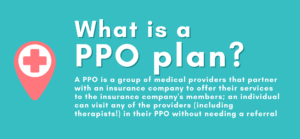
A Preferred Provider Organization (PPO) plan gives members more flexibility when choosing healthcare providers. Unlike HMO or EPO plans, PPO plans usually allow you to:
- Visit specialists without referrals
- Use out-of-network doctors if needed
- Access larger provider networks
- Continue treatment with preferred physicians
Families managing diabetes, asthma, heart disease, autoimmune conditions, or other long-term illnesses often need ongoing specialized care. This flexibility is where a PPO for chronic conditions becomes especially valuable.
Why Chronic Conditions Make Insurance Choice More Important
When a family member has a chronic condition, healthcare isn’t occasional — it’s continuous.
Common long-term medical needs may include:
- Frequent doctor visits
- Specialist consultations
- Lab testing
- Prescription medications
- Physical therapy
- Mental health support
- Emergency treatment
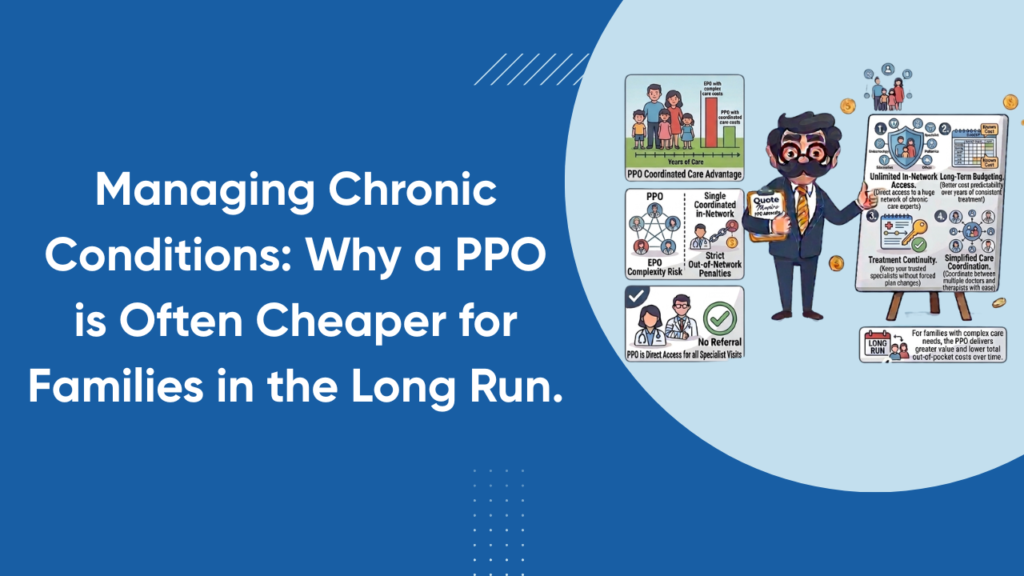
A low-premium plan may look cheaper initially, but limited networks and referral requirements can create expensive problems later.
That’s why many families eventually discover that a PPO for chronic conditions can actually lower total healthcare spending over time.
Lower Long-Term Costs Despite Higher Premiums
One of the biggest misconceptions about PPO plans is that they are “too expensive.”
Yes, PPO plans often have higher monthly premiums. However, families with chronic healthcare needs usually use medical services more frequently than healthy individuals.
Because of that, PPO plans may help reduce:
- Out-of-network surprise bills
- Delays in specialist care
- Repeated referrals
- Emergency room visits caused by treatment delays
- Costs from changing doctors
In many cases, faster access to proper treatment prevents expensive complications later.
For example, a diabetic patient who sees specialists regularly may avoid hospitalizations and severe complications. Over several years, the savings can outweigh the higher monthly premium of a PPO for chronic conditions.
Easier Access to Specialists
Specialists are essential for managing many chronic illnesses.
With HMO plans, patients often need referrals before seeing specialists. That process can delay care and create frustration for families already juggling appointments and medications.
A PPO plan usually allows direct specialist access without requiring primary care approvals.
This means:
- Faster treatment decisions
- Better continuity of care
- Less paperwork
- Fewer administrative headaches
For families dealing with ongoing medical issues, convenience matters almost as much as cost.
More Freedom to Keep Trusted Doctors
Families managing chronic illnesses often build strong relationships with specific physicians and specialists.
Switching doctors due to insurance restrictions can disrupt treatment plans and create unnecessary stress.
A PPO for chronic conditions usually offers broader provider networks, increasing the chances that your preferred doctors remain covered.
That continuity can improve:
- Medication management
- Treatment consistency
- Patient comfort
- Long-term health outcomes
Better Coverage While Traveling
Some chronic conditions require unexpected medical care while traveling or visiting relatives.
PPO plans typically provide broader nationwide coverage than HMO plans. Families who travel frequently may benefit from easier access to covered providers outside their local area.
This can be especially important for:
- Children with asthma
- Seniors with heart conditions
- Patients needing specialty medications
- Families with multiple ongoing treatments

Prescription Medication Flexibility
Prescription drug costs are a major concern for families with chronic illnesses.
Many PPO plans offer:
- Larger pharmacy networks
- Better specialty medication access
- Easier prescription refills
- More flexibility for brand-name medications
Since chronic conditions often require lifelong prescriptions, these benefits can make a significant financial difference over time.
PPO Plans Can Reduce Family Stress
Healthcare decisions become harder when chronic illnesses are involved. Families often feel overwhelmed trying to balance treatment quality with affordability.
A PPO for chronic conditions can simplify healthcare management by reducing restrictions and improving care access.
That peace of mind matters.
When parents can schedule appointments quickly and continue care with trusted doctors, they spend less time fighting insurance issues and more time focusing on their family’s health.
When a PPO May Be Worth the Extra Cost
A PPO plan may be a smart choice if your family:
- Sees specialists regularly
- Requires ongoing treatment
- Uses multiple prescriptions
- Travels frequently
- Wants flexible provider options
- Has children with chronic health needs
- Needs access to top hospitals or specialists
While PPO plans may not be ideal for every healthy individual, families with recurring medical expenses often benefit financially in the long run.
Comparing Insurance Plans Carefully
Before choosing any health insurance plan, compare:
- Monthly premiums
- Deductibles
- Specialist coverage
- Prescription drug coverage
- Provider networks
- Out-of-pocket maximums
A cheaper monthly premium does not always mean lower overall healthcare costs.
If your family expects frequent medical care, investing in a PPO for chronic conditions may help avoid larger expenses later.
For additional health insurance comparisons and family coverage guidance, visit Quote Maestro.
Final Thoughts
Managing chronic illnesses is already challenging enough without insurance complications adding extra stress.
Although PPO plans usually come with higher monthly premiums, they often provide better long-term value for families needing consistent medical care. Flexible networks, direct specialist access, and improved treatment continuity can lead to both financial savings and better health outcomes over time.
For many households, choosing a PPO for chronic conditions is not just about convenience — it’s about protecting both health and financial stability for the future.
FAQs About PPO for Chronic Conditions
Is a PPO better for chronic conditions?
Yes, many families prefer a PPO for chronic conditions because it offers greater flexibility, easier specialist access, and broader provider networks.
Why are PPO plans more expensive monthly?
PPO plans usually have higher premiums because they provide more provider freedom and fewer restrictions on specialist care.
Can a PPO save money long term?
For families with frequent medical needs, a PPO for chronic conditions can reduce expensive complications, out-of-network costs, and treatment delays.
Do PPO plans require referrals?
Most PPO plans do not require referrals to see specialists, making care faster and more convenient.
Are PPO plans good for children with chronic illnesses?
Yes, PPO plans are often helpful for children needing regular specialist visits, therapies, or ongoing treatments.
What chronic conditions benefit most from PPO plans?
Conditions such as diabetes, asthma, arthritis, heart disease, autoimmune disorders, and chronic mental health conditions often benefit from PPO flexibility.