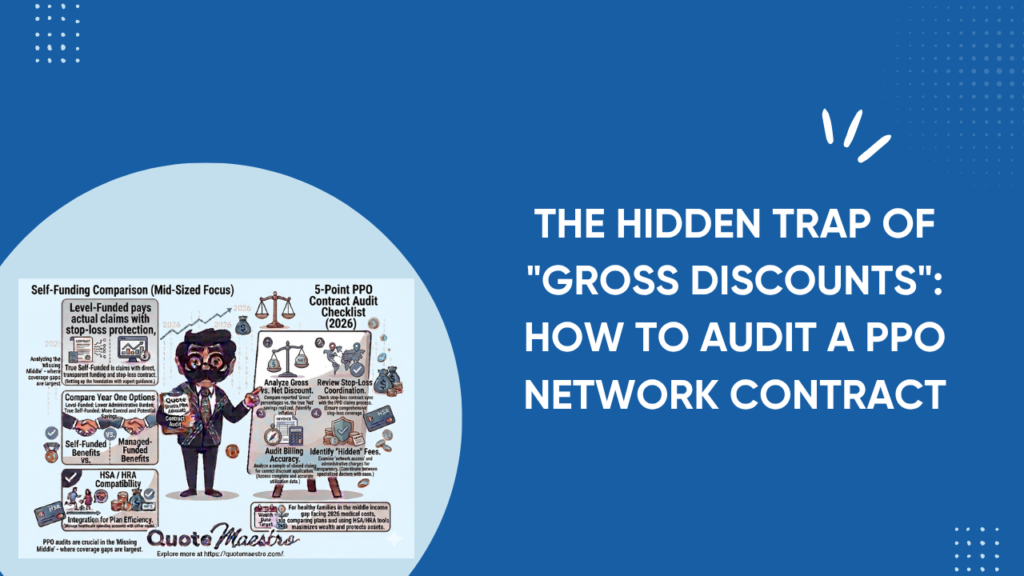
Healthcare costs are becoming increasingly difficult for businesses to control in 2026. Many employers assume they are receiving strong savings from their PPO networks because contracts advertise large “discounts” off hospital or provider charges.
But here’s the problem: those discounts can sometimes be misleading.
That’s why conducting a PPO network contract audit is becoming essential for employers, self-funded plans, and benefits managers who want real transparency into healthcare spending.
A contract may advertise a 60% or 70% provider discount, but if the original hospital pricing is massively inflated, the final cost may still be far higher than expected.
This hidden issue is commonly referred to as the “gross discount trap.”
In this guide, we’ll explain how gross discounts work, why they can create misleading savings, and how a proper PPO network contract audit can help businesses uncover the true financial picture.
What Is a PPO Network Contract?
Before understanding a PPO network contract audit, it’s important to know how PPO networks operate.
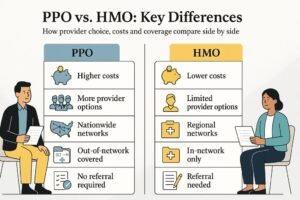
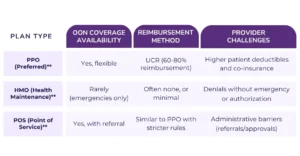
Preferred Provider Organization (PPO) networks negotiate pricing agreements between:
- Insurance carriers
- Self-funded employers
- Hospitals
- Doctors
- Healthcare providers
The network promises discounted provider pricing in exchange for patient volume.
These negotiated rates are often marketed as major savings opportunities.
However, the size of a “discount” alone does not always determine whether pricing is truly competitive.
What Are “Gross Discounts”?
One of the biggest reasons companies perform a PPO network contract audit is to investigate gross discounts.
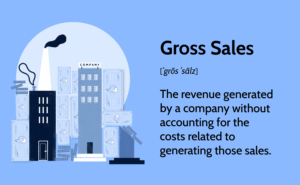
A gross discount refers to the percentage reduction from a provider’s billed charges.
For example:
- Hospital bill: $100,000
- PPO discount: 60%
- Final allowed amount: $40,000
At first glance, a 60% discount sounds impressive.
But if another provider would have charged only $20,000 initially, the “discounted” PPO price is actually far more expensive.
This is the hidden trap many employers overlook.
Why Gross Discounts Can Be Misleading
The problem with gross discounts is that hospital pricing structures vary dramatically.
A large discount off inflated charges may still produce high final costs.
That’s why a proper PPO network contract audit focuses on:
- Actual allowed amounts
- Regional pricing benchmarks
- Cost comparisons across providers
- Claims payment trends
The goal is to determine real value rather than relying on marketing percentages.
Why Self-Funded Employers Are Paying More Attention
Self-funded businesses are especially focused on PPO network contract audit strategies because they directly absorb healthcare claims costs.
When claims are overpriced:
- Employer healthcare spending rises
- Employee costs may increase
- Long-term financial planning becomes harder
Many employers are discovering that “big discounts” do not automatically equal strong cost control.
This realization is driving more aggressive healthcare contract reviews in 2026.
The Difference Between Discounts and True Savings
One major lesson from a PPO network contract audit is that discounts and savings are not always the same thing.
Discounts Measure:
- Reduction from billed charges
True Savings Measure:
- Actual competitive market pricing
A network advertising huge discounts may still produce higher total claims costs than a smaller network with lower billed charges.
This distinction is critical when evaluating healthcare contracts.
Key Areas to Review During a PPO Network Contract Audit
A comprehensive PPO network contract audit should examine several important areas.
Allowed Amounts
Focus on actual paid amounts, not just discount percentages.
Regional Pricing Comparisons
Compare provider pricing against regional benchmarks.
Outlier Claims
Identify hospitals or providers charging significantly above market averages.
Contract Language
Review reimbursement methodologies carefully.
Hidden Fees
Analyze administrative fees, access fees, and network leasing arrangements.
These details often reveal hidden cost drivers.
Network Leasing Can Create More Complexity
Another issue uncovered during a PPO network contract audit is network leasing.
Some PPO networks lease provider contracts to multiple payers or administrators.
This can create:
- Reduced pricing transparency
- Overlapping access fees
- Complex reimbursement structures
Employers may not fully understand how many parties are involved in the claims process.
Why Transparency Matters More in 2026
Healthcare spending continues rising nationwide.
As a result, employers are demanding more transparency from healthcare vendors and insurance partners.
A PPO network contract audit helps businesses:
- Verify actual savings
- Identify overpriced providers
- Improve negotiating leverage
- Reduce unnecessary claims costs
Transparency is becoming one of the biggest priorities in modern healthcare management.
High-Deductible Plans Make Cost Transparency Even More Important
As more businesses adopt high-deductible health plans, understanding provider pricing becomes even more critical.
Employees increasingly pay larger portions of healthcare costs themselves.
If you’re also evaluating consumer-driven healthcare strategies, check out Is a High-Deductible Health Plan Worth It?.
Many companies performing a PPO network contract audit are also reviewing how plan design affects employee financial responsibility.

Red Flags That Suggest a Contract Needs Auditing
Several warning signs may indicate the need for a PPO network contract audit.
Rapid Claims Cost Increases
Healthcare spending rises faster than expected.
Extremely Large Discount Claims
Huge discounts may hide inflated starting prices.
Lack of Pricing Transparency
Employers cannot clearly identify provider reimbursement methods.
Unexpected Out-of-Network Charges
Employees experience surprise billing problems.
Limited Claims Reporting
Insufficient data visibility prevents proper cost analysis.
These issues often signal deeper pricing inefficiencies.
Technology Is Improving PPO Auditing
Modern analytics tools are making PPO network contract audit processes more sophisticated.
Employers can now analyze:
- Claims trends
- Provider utilization patterns
- Benchmark pricing data
- Regional reimbursement comparisons
This technology helps businesses make smarter healthcare decisions.
How Employers Can Reduce PPO Costs
Businesses looking to improve healthcare cost control should:
- Conduct regular PPO audits
- Compare multiple network options
- Negotiate reimbursement structures
- Review stop-loss arrangements
- Improve claims transparency
- Educate employees on provider pricing
Employers exploring cost-saving healthcare models may also benefit from reading Is a High-Deductible Health Plan Worth It? for additional insights into healthcare affordability strategies.
Why Mid-Sized Businesses Are Becoming More Aggressive
Large corporations have audited healthcare contracts for years.
Now, mid-sized businesses are increasingly adopting PPO network contract audit practices because rising healthcare costs affect profitability directly.
Smaller employers can no longer afford to ignore hidden inefficiencies inside provider contracts.
Even modest pricing improvements can create meaningful long-term savings.
Companies combining PPO audits with consumer-driven healthcare models should also review Is a High-Deductible Health Plan Worth It? to better understand modern employee healthcare trends.
How to Start a PPO Network Contract Audit
Businesses interested in a PPO network contract audit should begin by:
- Collecting claims data
- Reviewing provider contracts
- Benchmarking reimbursement rates
- Consulting healthcare analysts
- Evaluating network performance
The process may seem technical, but it can uncover substantial hidden savings opportunities.
For more healthcare strategy resources and insurance insights, visit Quote Maestro.
Final Thoughts
The hidden trap of gross discounts is becoming a major concern for employers trying to manage rising healthcare expenses.
A strong PPO network contract audit helps businesses move beyond marketing percentages and focus on actual healthcare value.
By analyzing reimbursement structures, pricing transparency, provider benchmarks, and claims trends, employers can identify hidden inefficiencies that quietly increase healthcare spending year after year.
In 2026, healthcare cost control is no longer just about negotiating bigger discounts — it’s about understanding what those discounts truly mean.
FAQs About PPO Network Contract Audit
What is a PPO network contract audit?
A PPO network contract audit reviews provider contracts, reimbursement rates, and claims data to identify hidden healthcare cost inefficiencies.
What are gross discounts in healthcare?
Gross discounts refer to percentage reductions from provider billed charges, which may still result in high final costs.
Why can large PPO discounts be misleading?
Because hospitals may inflate initial charges, even large discounts can still produce expensive final payments.
Who benefits from a PPO network contract audit?
Self-funded employers, benefits managers, and businesses seeking healthcare cost transparency benefit the most.
How often should businesses audit PPO contracts?
Many experts recommend regular audits annually or whenever claims costs rise significantly.
Can PPO audits reduce healthcare spending?
Yes, audits often uncover pricing inefficiencies and contract issues that can lead to substantial savings over time.