Dealing with insurance paperwork can already feel overwhelming, but nothing frustrates people more than a denied claim. Understanding health insurance handling denied claims is essential if you want to avoid unnecessary medical expenses and protect your benefits.
A denied claim does NOT always mean you are responsible for the full bill. In many cases, it can be corrected or appealed.
To explore more insurance plan insights, visit:
Quotemaestro Insurance Guides
What Does a Denied Claim Mean?
A denied claim happens when your insurance company refuses to pay part or all of a medical bill.
In health insurance handling denied claims, a denial usually means:
- The service is not covered
- Incorrect medical coding was used
- Missing referral or authorization
- Out-of-network provider issue
- Documentation was incomplete
👉 Important: A denial is NOT always final.

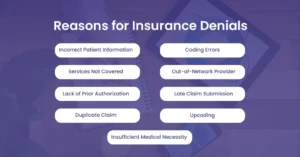
Common Reasons for Claim Denials
Understanding health insurance handling denied claims starts with knowing why claims get rejected:
1. Lack of Prior Authorization
Some treatments require approval before service.
2. Out-of-Network Care
Insurance may refuse or reduce payment for non-network providers.
3. Incorrect Coding
Billing errors are one of the most common reasons.
4. Policy Exclusions
Some services are not covered under your plan.
5. Missing Information
Incomplete forms or documentation delays approval.
Why Denied Claims Are More Common Than You Think
Many people think insurance denials are rare, but in reality, health insurance handling denied claims is a regular part of the healthcare system.
Reasons include:
- Complex billing systems
- Frequent coding updates
- Strict insurance rules
- Employer plan differences
To understand how plan types affect coverage rules, read here:
2026 Bronze Health Insurance Plans Guide
What to Do When Your Claim Is Denied
If you receive a denial, follow this process for health insurance handling denied claims:
Step 1: Review the Explanation of Benefits (EOB)
Check why the claim was denied.
Step 2: Contact Your Insurance Company
Ask for a detailed explanation.
Step 3: Contact Your Provider
They may need to correct billing errors.
Step 4: Gather Documentation
Collect medical records, referrals, and receipts.
Step 5: File an Appeal
You have the right to challenge the decision.
Internal Insurance Insight
Many insurance denials depend on plan type and coverage tier.
To better understand plan structures, visit:
2026 Bronze Health Insurance Plans Guide
This helps explain why health insurance handling denied claims differs between low-premium and high-coverage plans.
You can also revisit it here for comparison:
2026 Bronze Health Insurance Plans Guide

How to Appeal a Denied Claim
A strong appeal is key in health insurance handling denied claims.
Include:
- Copy of the denial letter
- Medical records
- Doctor’s explanation letter
- Proof of medical necessity
- Insurance policy reference
👉 Many claims are overturned on appeal when properly documented.
Tips to Prevent Future Denials
To improve health insurance handling denied claims, prevention is better than correction:
- Always verify coverage before treatment
- Confirm provider is in-network
- Ask if prior authorization is required
- Double-check billing codes
- Keep copies of all documents
Advanced Insight: Why Appeals Often Work
Insurance companies handle thousands of claims daily. Many denials happen due to:
- Automated system errors
- Missing secondary codes
- Temporary documentation gaps
That’s why health insurance handling denied claims often succeeds when patients appeal correctly.
Real-Life Example
- Hospital bill: $3,000
- Insurance denied claim due to “missing authorization”
- Patient appeals with doctor’s note
- Claim is approved and bill reduced
This shows how health insurance handling denied claims can completely change financial outcomes.
When You Should Escalate a Claim
If your appeal fails, consider:
- Requesting external review
- Contacting state insurance department
- Asking employer HR for help (if employer-sponsored plan)
Persistence is often necessary in health insurance handling denied claims.
Internal Resource for Better Understanding
To understand how different insurance tiers affect approvals and denials, read here:
2026 Bronze Health Insurance Plans Guide
This helps explain why some plans have higher denial rates than others.
FAQs About Handling Denied Claims
1. Does a denied claim mean I have to pay?
Not always. Many denials can be corrected or appealed.
2. How long do I have to appeal a claim?
Usually 30–180 days depending on your insurance plan.
3. What is the most common reason for denial?
Incorrect coding or missing authorization.
4. Can doctors help with appeals?
Yes, provider documentation is often crucial.
5. What if my appeal is rejected?
You can request an external review or escalate to regulators.
Final Thoughts
Understanding health insurance handling denied claims is essential for protecting yourself from unnecessary medical costs. A denial is not the end—it is often the beginning of a correction process.
By reviewing your EOB carefully, communicating with your provider, and filing strong appeals, you can often reverse denied decisions and reduce your healthcare expenses.
For more insurance guides, visit:
Quotemaestro Insurance Guides
And explore plan comparisons here:
2026 Bronze Health Insurance Plans Guide
2026 Bronze Health Insurance Plans Guide